
Multimedia “Preserve the Peaks” Campaign
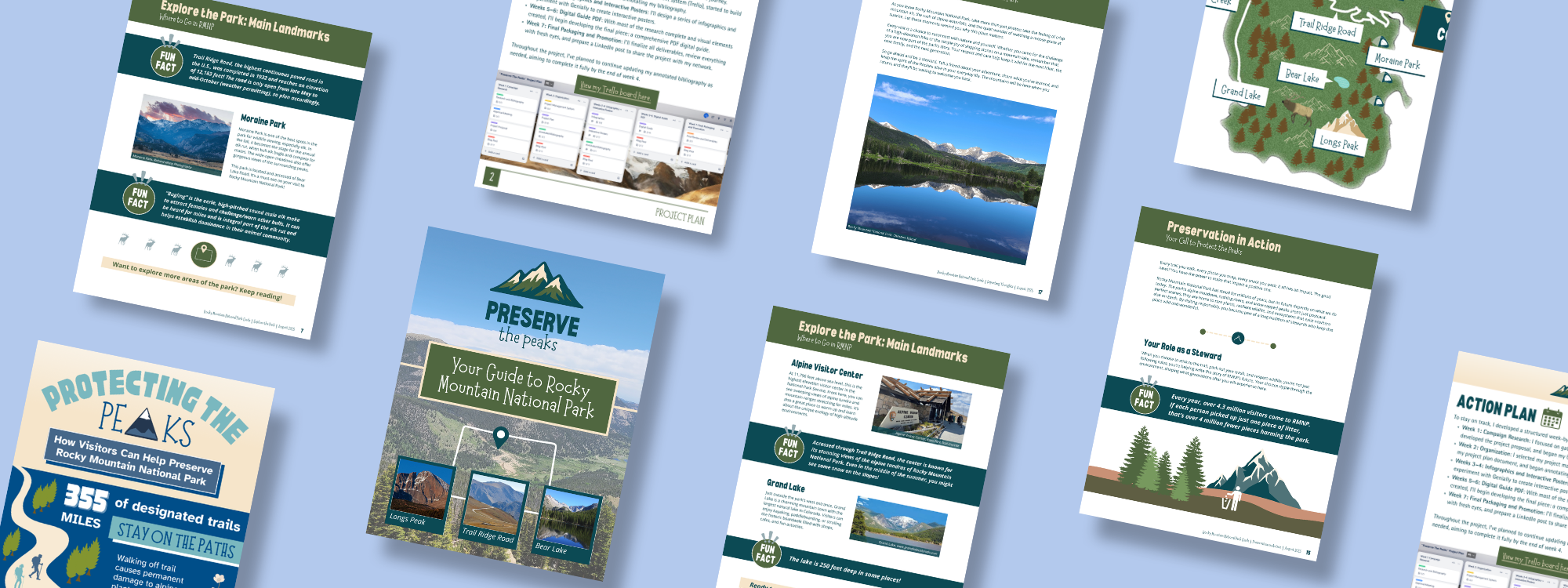
Preserve the Peaks is a multimedia campaign designed to inspire more responsible exploration of Rocky Mountain National Park. Blending environmental storytelling with digital design, it raises awareness of the park's evolving challenges while encouraging visitors to engage more thoughtfully.
Built from the ground up as a self-directed initiative, the project spans the full creative process, from concept and strategy to execution across multiple formats, including infographics, interactive Genially experiences, and a comprehensive digital guide.

Deliverables
Project Proposal
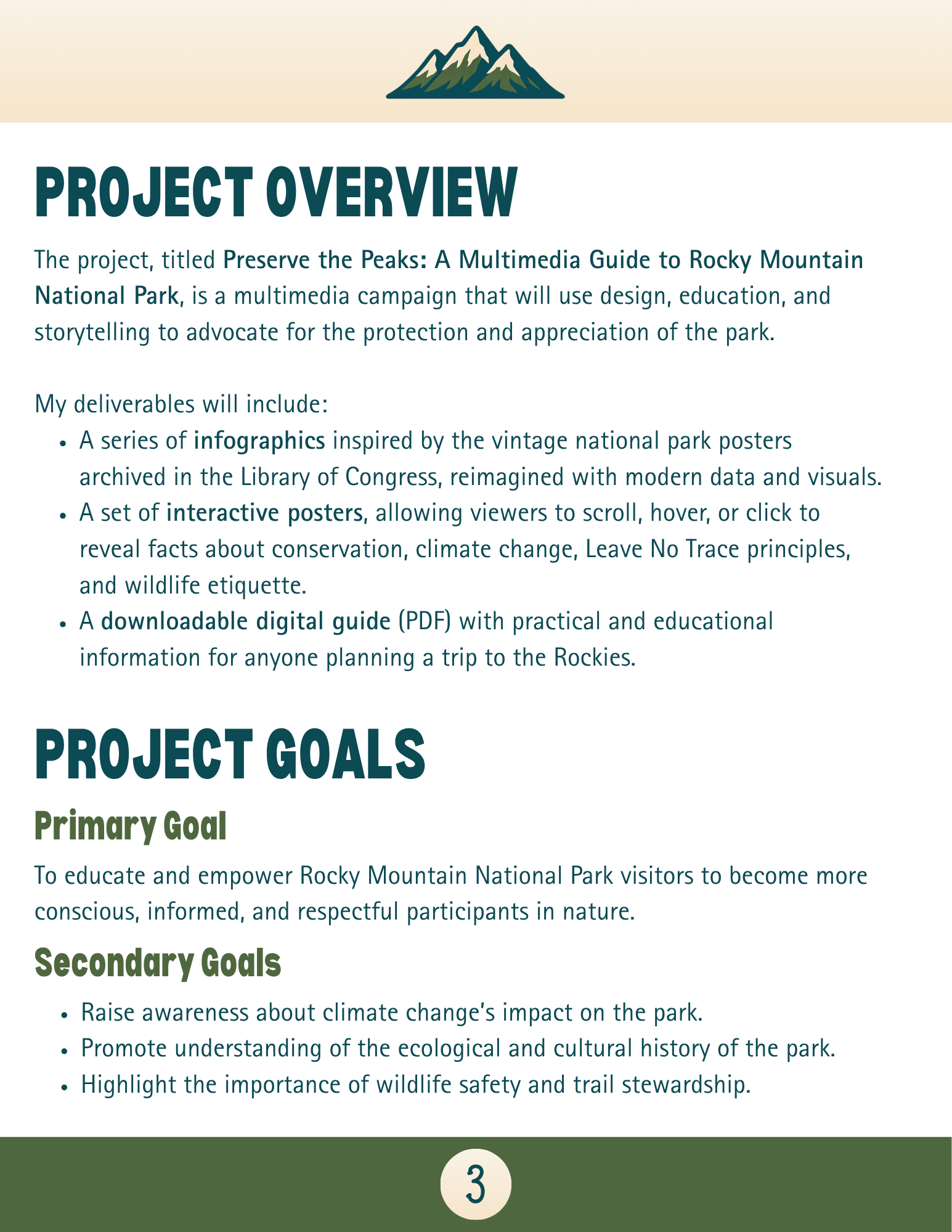
Every strong project starts with a clear foundation. I kicked things off by developing a project proposal that defined the vision for Preserve the Peaks: outlining key objectives, target audience, and the overall creative direction.
The goal was twofold: educate visitors about the environmental challenges facing Rocky Mountain National Park, and inspire more responsible, sustainable exploration. This process surfaced the three core themes that would guide everything: preservation, responsibility, and accessibility.
Project Plan
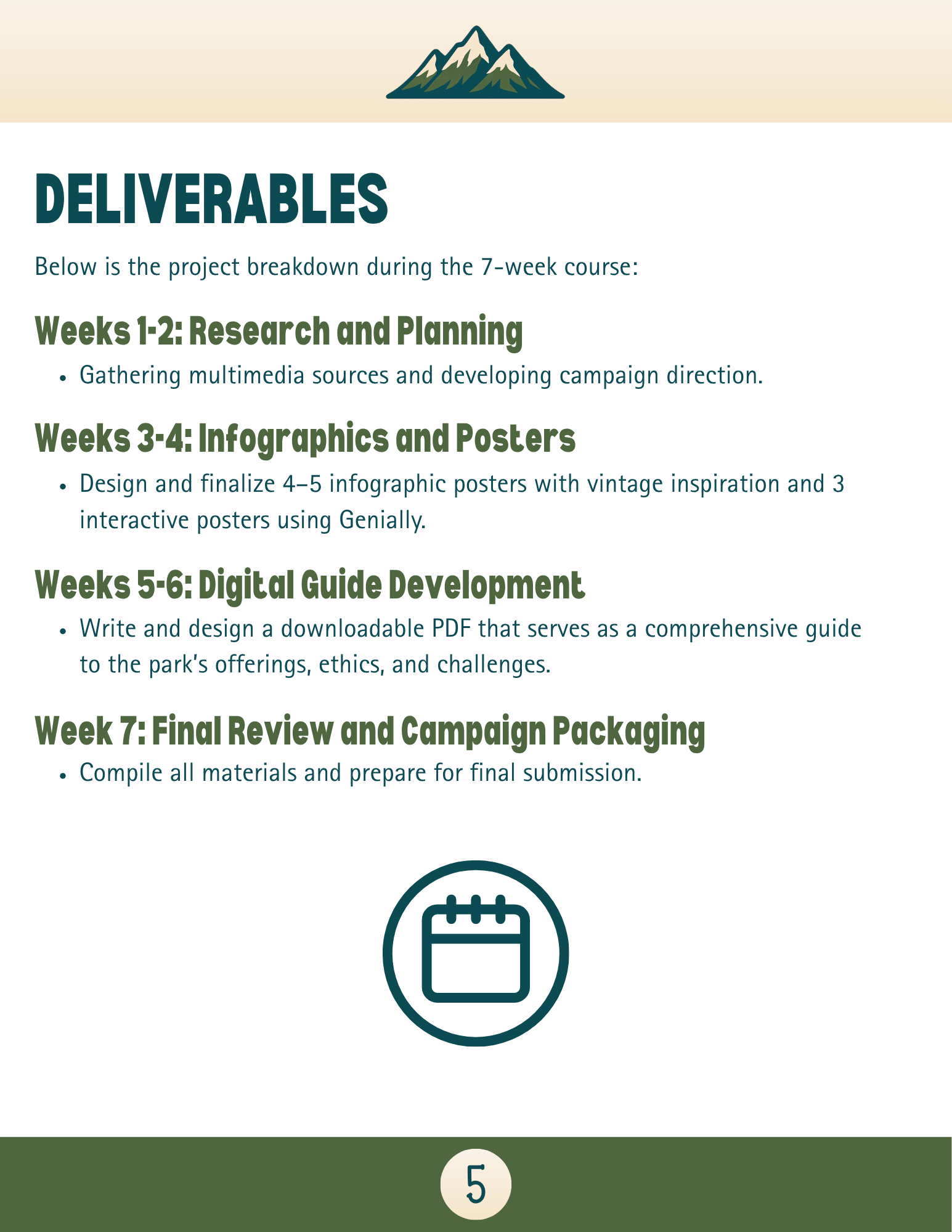
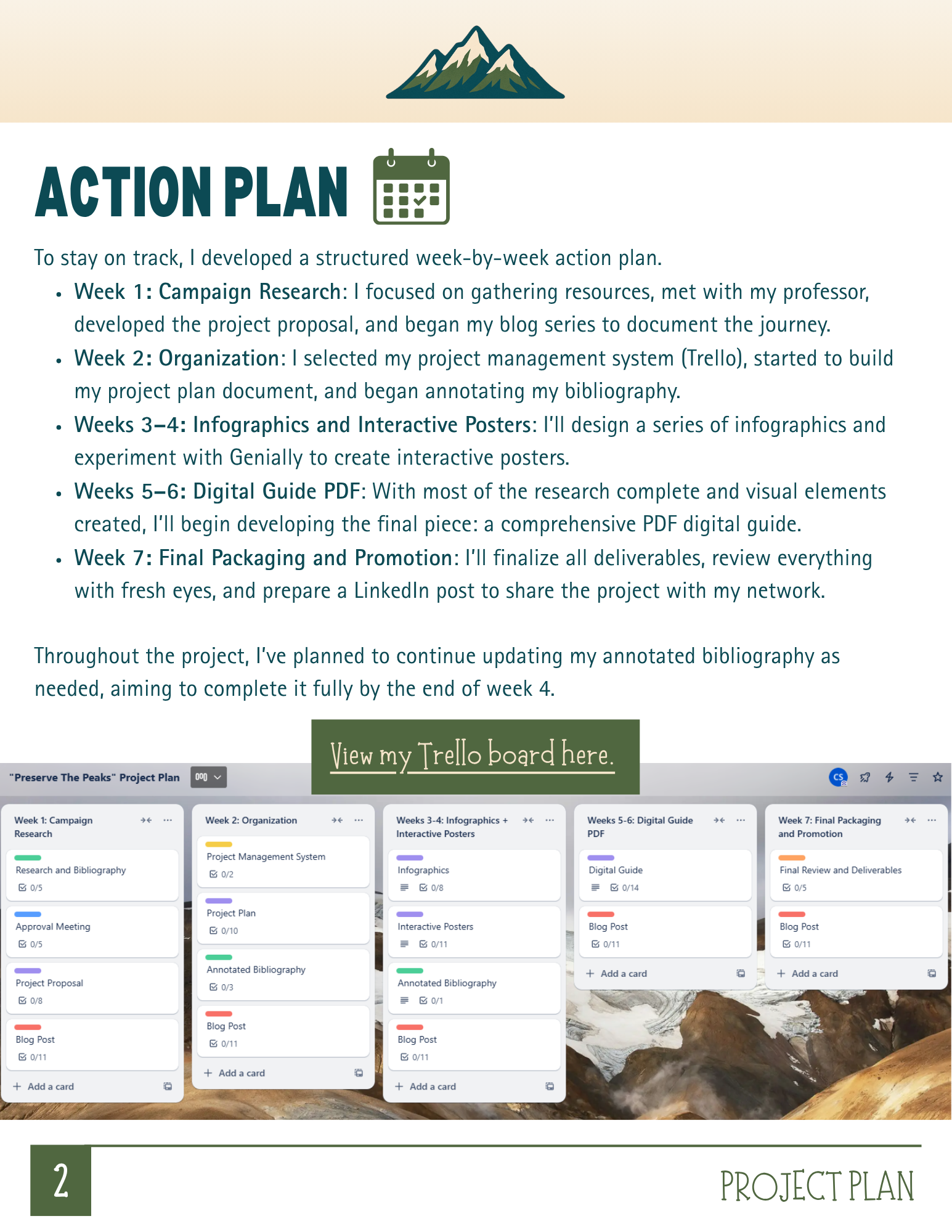
With a clear direction established, I moved into the planning phase to map out how the campaign would come to life. The project plan broke the work into structured, manageable phases, balancing big-picture thinking with day-to-day execution, with key milestones across research, content development, design, and iteration.
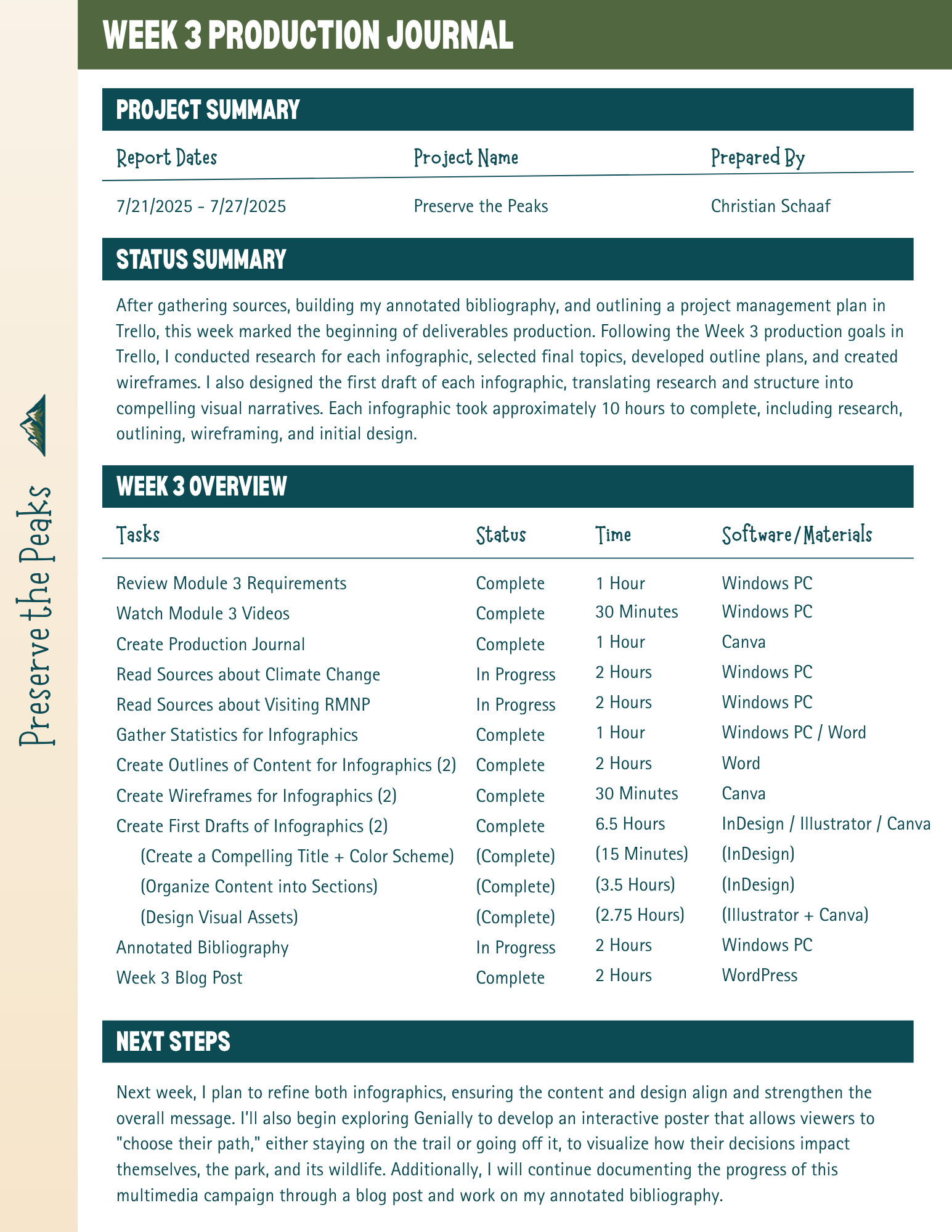
To stay organized, I built a project management system using Trello, mapping out weekly workflows with task cards and detailed checklists for each phase. I also maintained a weekly production journal to track completed tasks, tools used, and time spent, helping me evaluate and refine my process throughout.
Infographics
The first deliverables in the campaign were two infographics, each translating complex environmental topics into clear, engaging visual stories:
The Climate Toll on Rocky Mountain National Park — explores the impact of climate change on glaciers, wildlife, and snowpack
Protecting the Peaks — provides visitors with practical, actionable steps to reduce their environmental impact
Each infographic followed a structured design process, beginning with in-depth research, developing wireframes to map out information hierarchy and visual flow, and moving into full design execution. This ensured every piece was both visually compelling and strategically organized to guide the viewer through the story.
Process: Research → Wireframes → Final Infographics
Interactive Genially Projects
To expand beyond static content, I developed a series of interactive experiences using Genially, shifting the campaign from simply informing users to actively engaging them through exploration and decision-making.
Two key projects brought this to life:
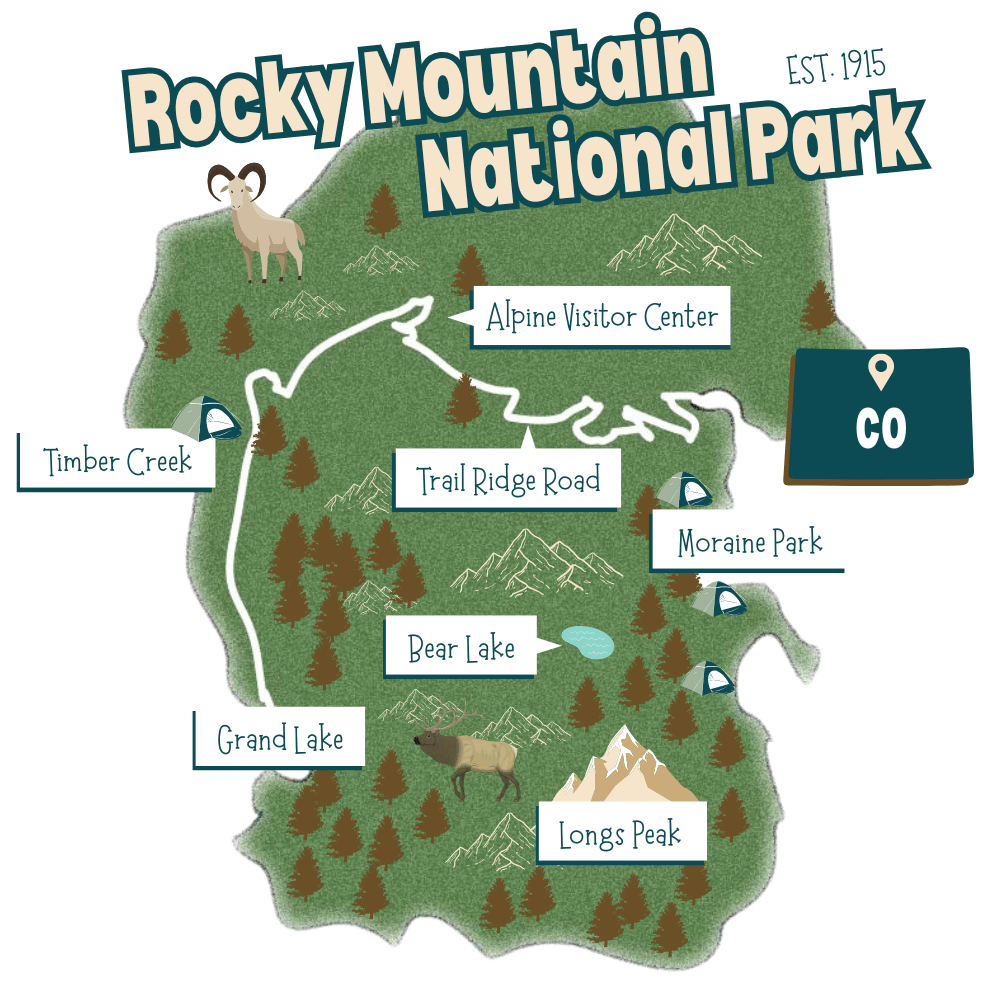
Interactive Map — a clickable map of Rocky Mountain National Park highlighting key locations from Bear Lake to Trail Ridge Road, with pop-up insights to help users explore the park or plan their visit
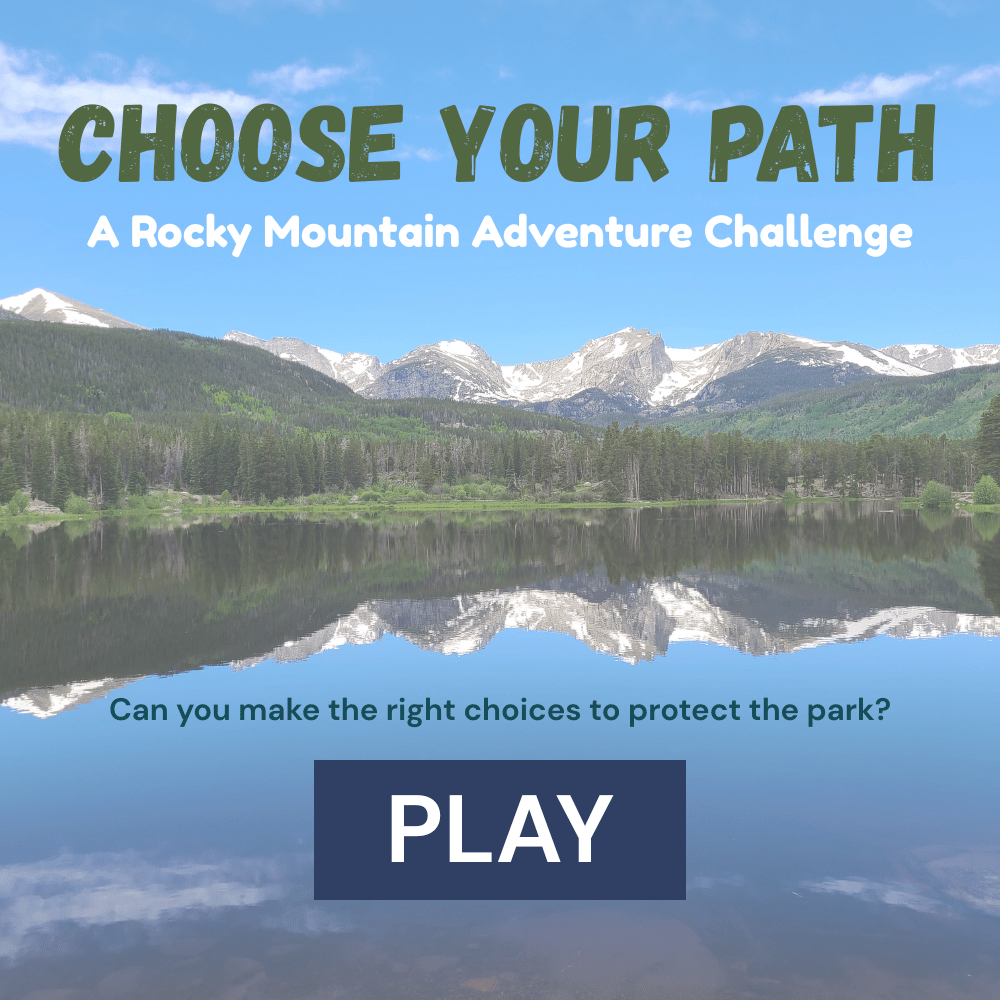
Choose Your Path: A Rocky Mountain Adventure Challenge — a gamified experience where users select an avatar and navigate real-world scenarios, reinforcing responsible behaviors through decision-making
Each experience began with wireframes to map out user flow, interaction points, and content hierarchy before moving into full design, ensuring every element was intentional and easy to navigate.
These experiences were designed with user interaction at the center, transforming passive viewers into active participants.
Process: Research → Wireframes → Interactive Design → Final Experiences
Digital PDF Guide
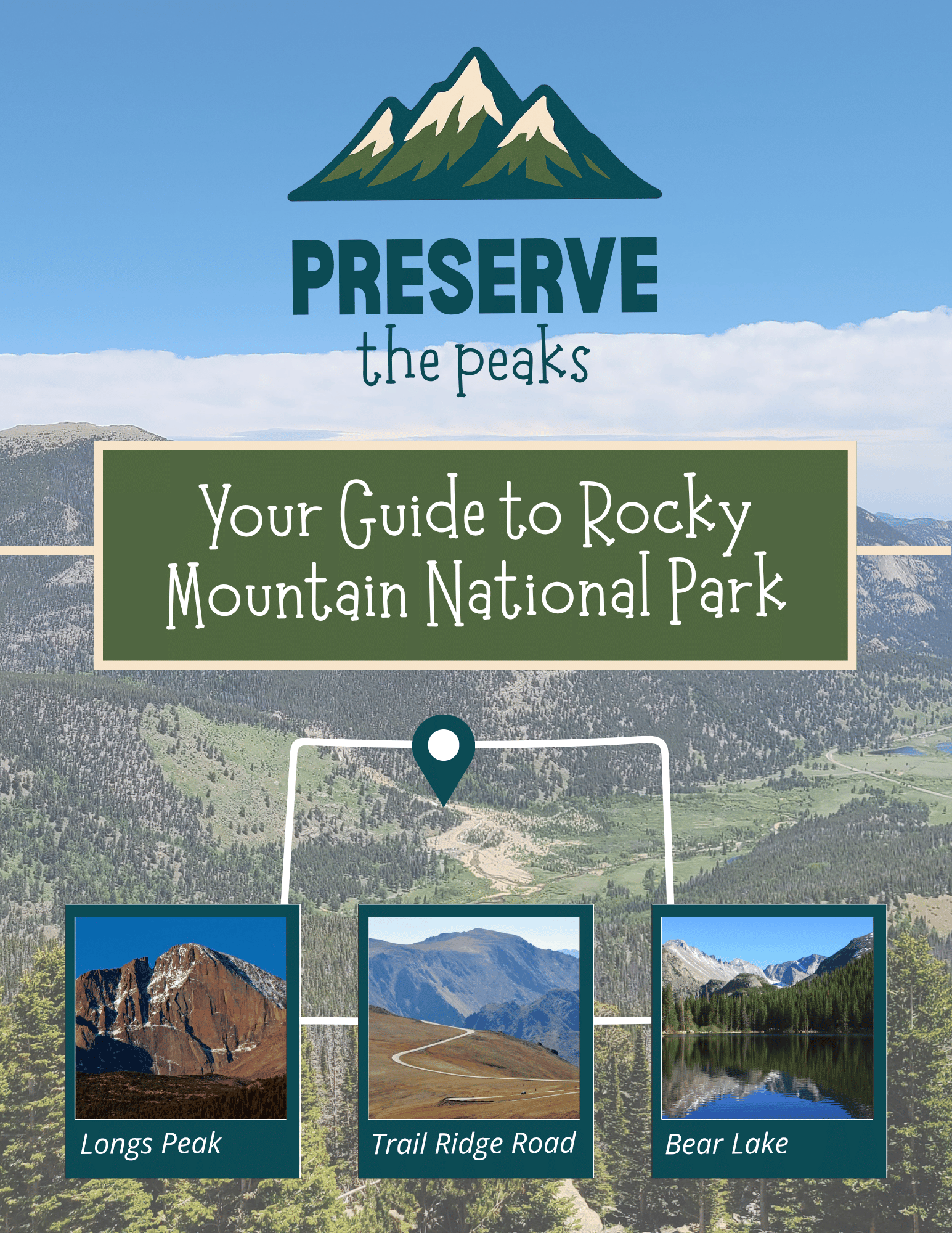
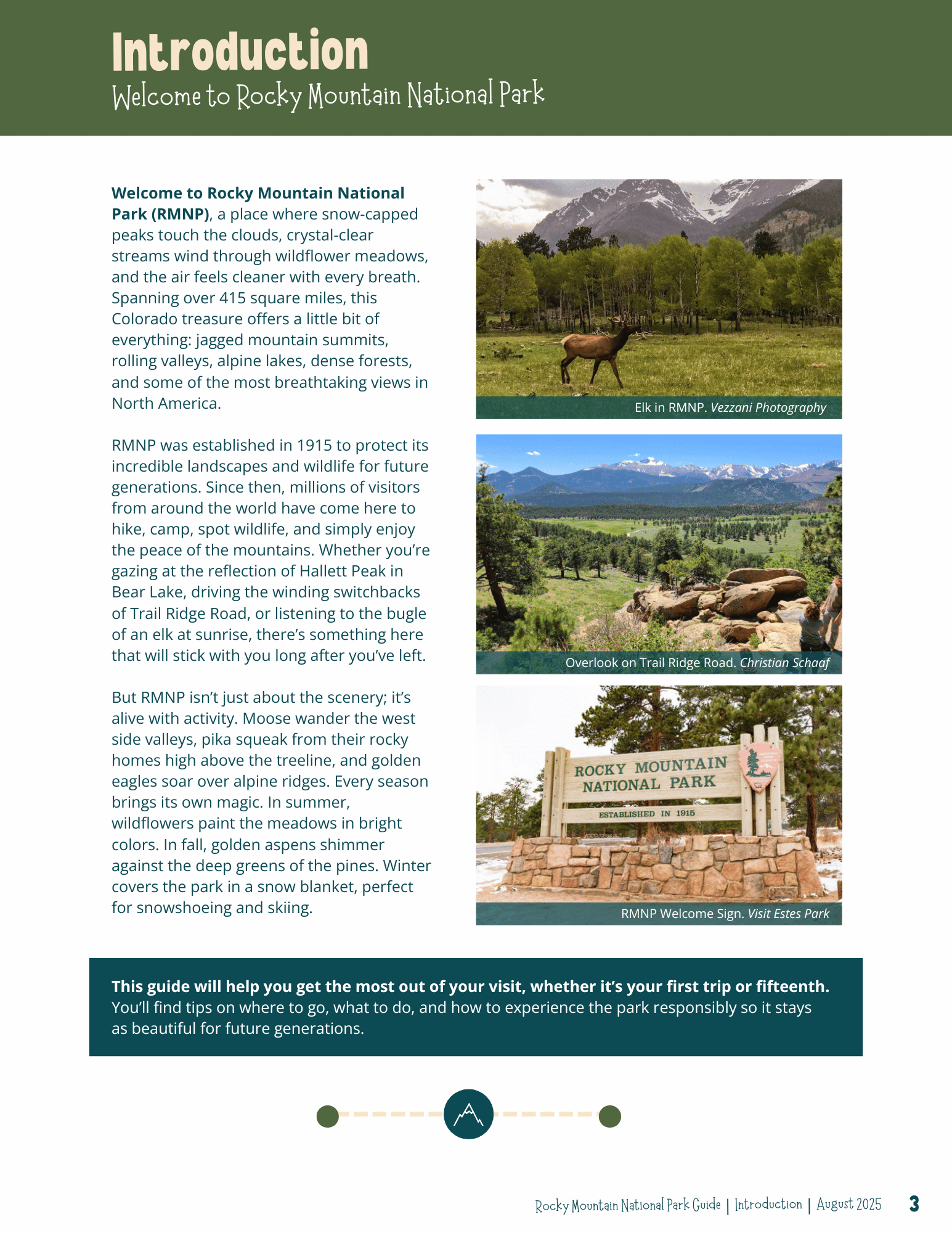
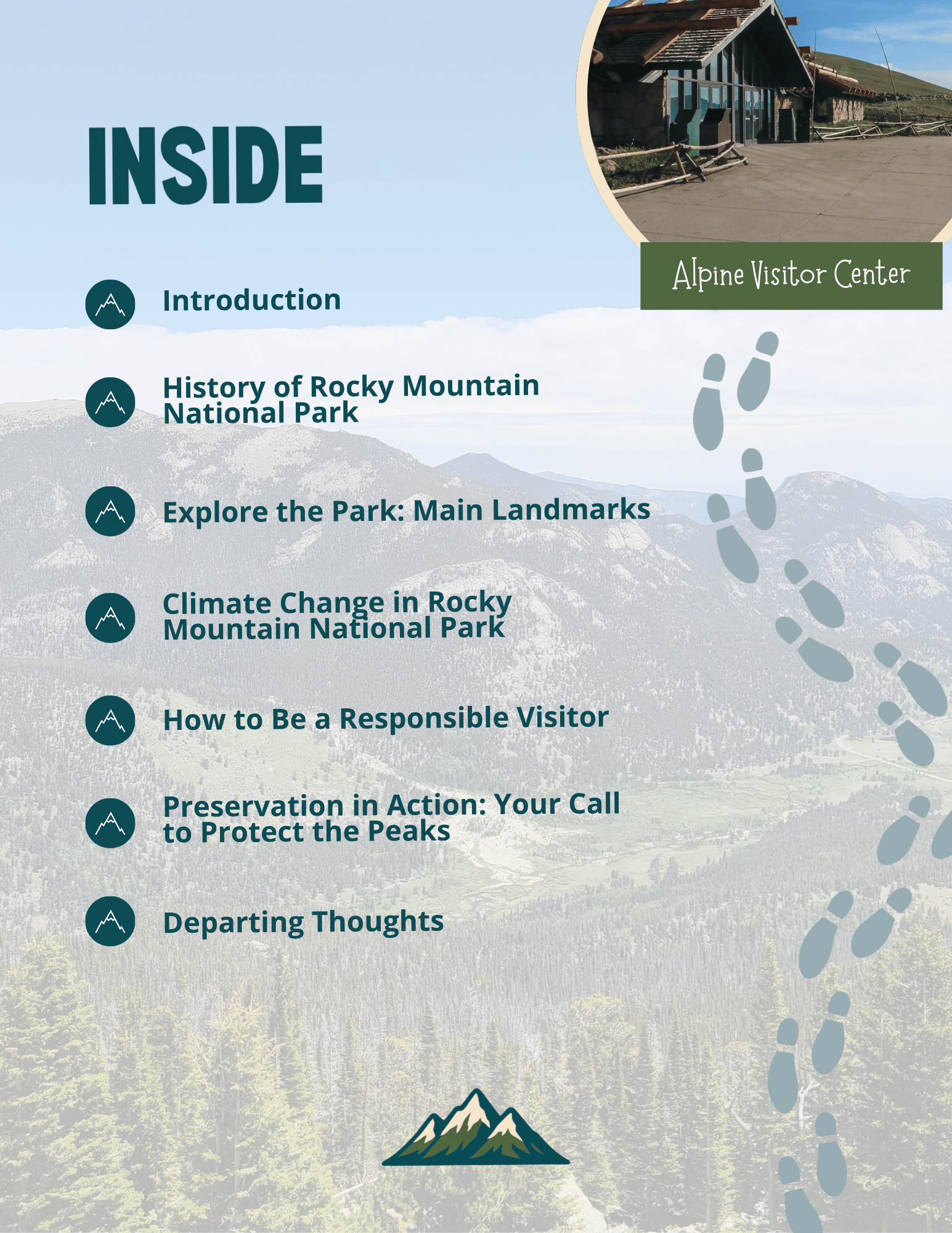
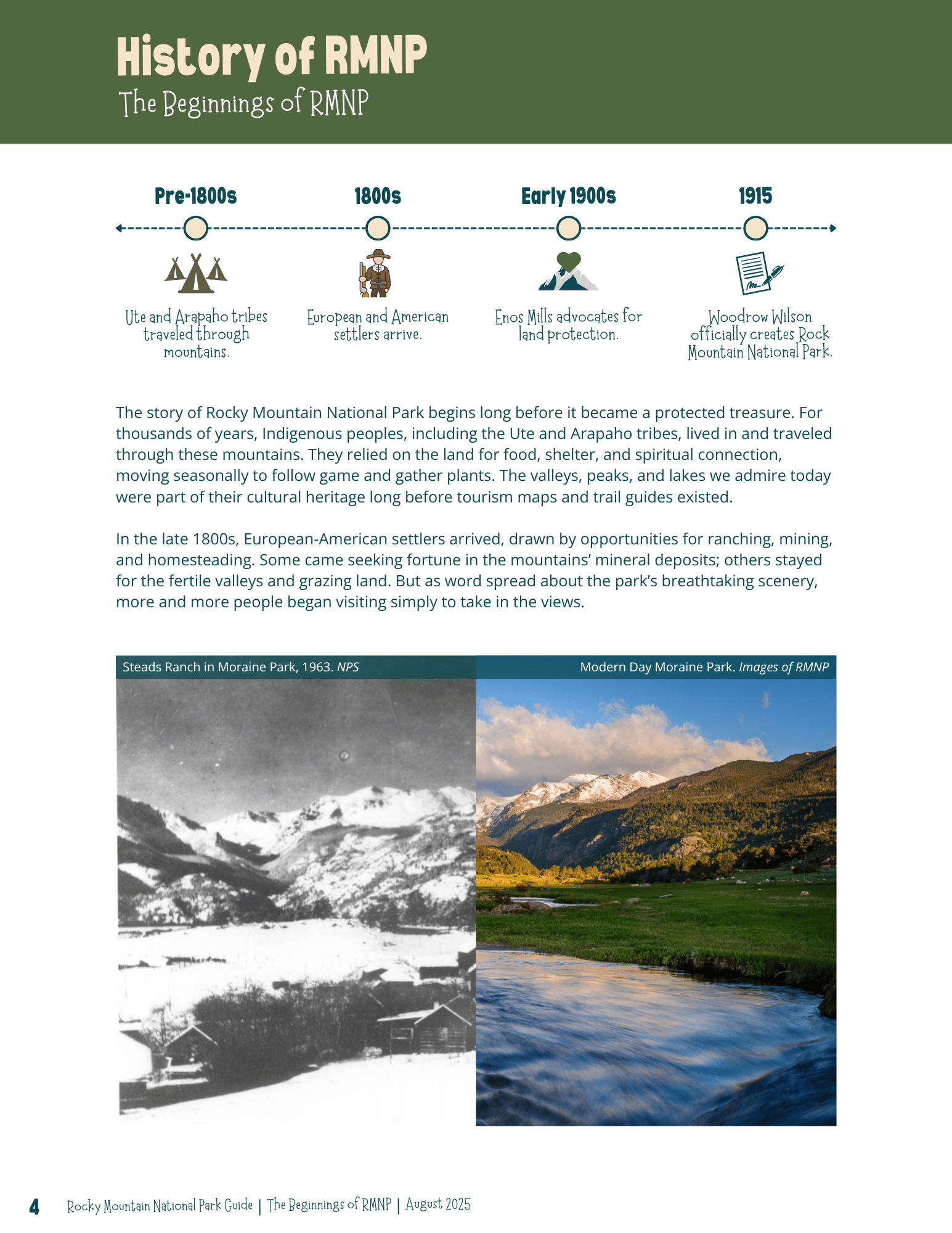
The final deliverable is a comprehensive digital PDF guide that brings together all aspects of Preserve the Peaks into one cohesive resource, serving as both a planning tool and an educational resource for visitors.
The guide covers:
The history of Rocky Mountain National Park
Major landmarks and featured areas
Climate change and environmental challenges
Responsible visitor practices
Preservation efforts in action
From the start, wireframes mapped out the content hierarchy, layout, and visual flow — ensuring the final guide balanced storytelling, visual design, and clear organization to create a lasting take-away experience.
Process: Research → Content Development → Wireframes → Layout Design → Final Guide
Key Takeaways
Preserve the Peaks was one of the most rewarding projects I've worked on, both creatively and strategically, merging my passion for design with my interest in environmental storytelling across a complex, multi-phase campaign.
Throughout the process, I deepened my approach to time management, project planning, and creative flexibility. Building across multiple formats meant balancing structure with creativity, and learning when to follow the plan and when to adapt it.
This project reinforced that strong content is built through iteration and refinement. What started as a single concept grew into a more expansive campaign by staying open to change and new directions.
Moving forward, Preserve the Peaks continues to shape how I approach design: creating work that not only looks engaging, but also informs, connects, and drives meaningful action.